Back to Manufacturing Methods
Die Casting
Metal CastingDescription
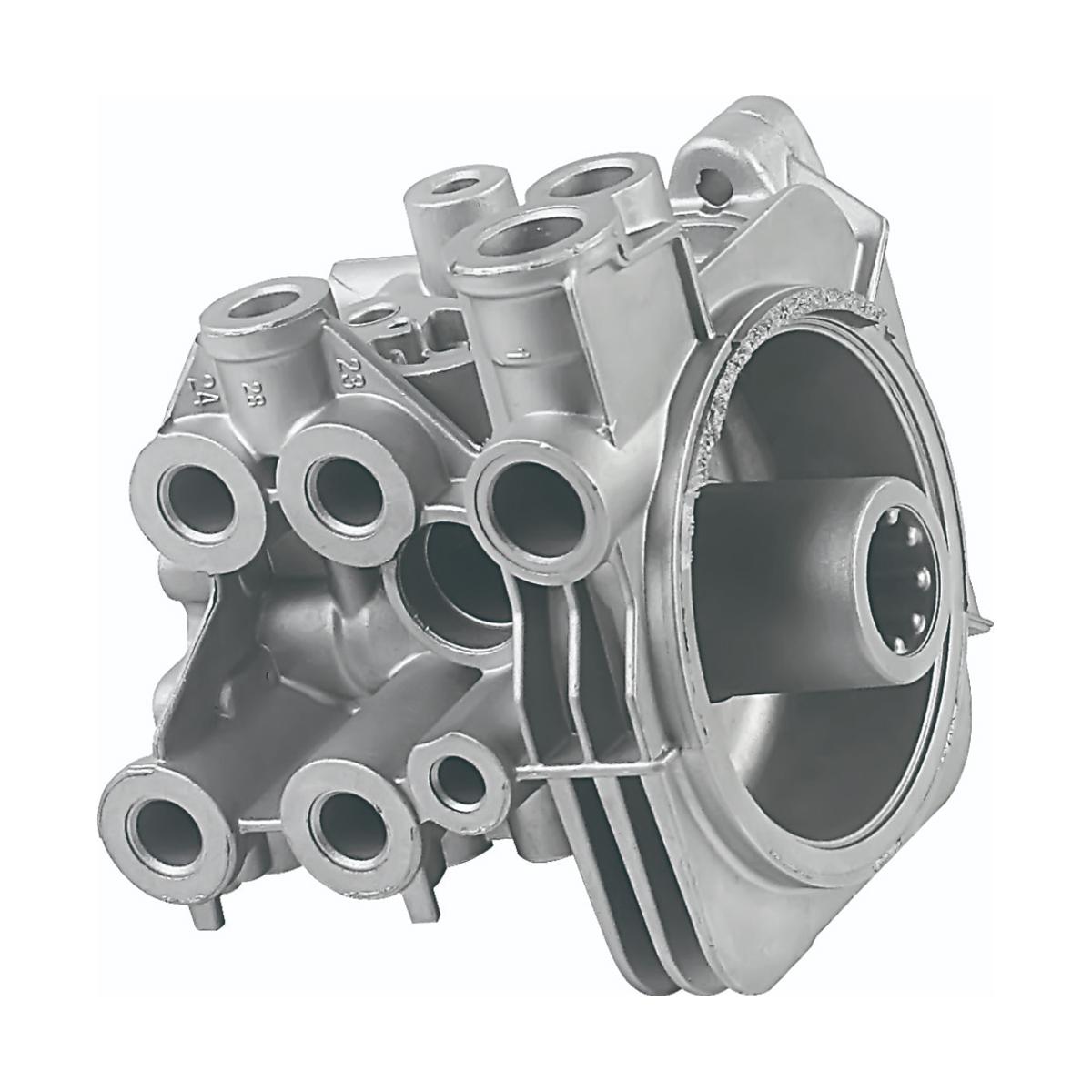
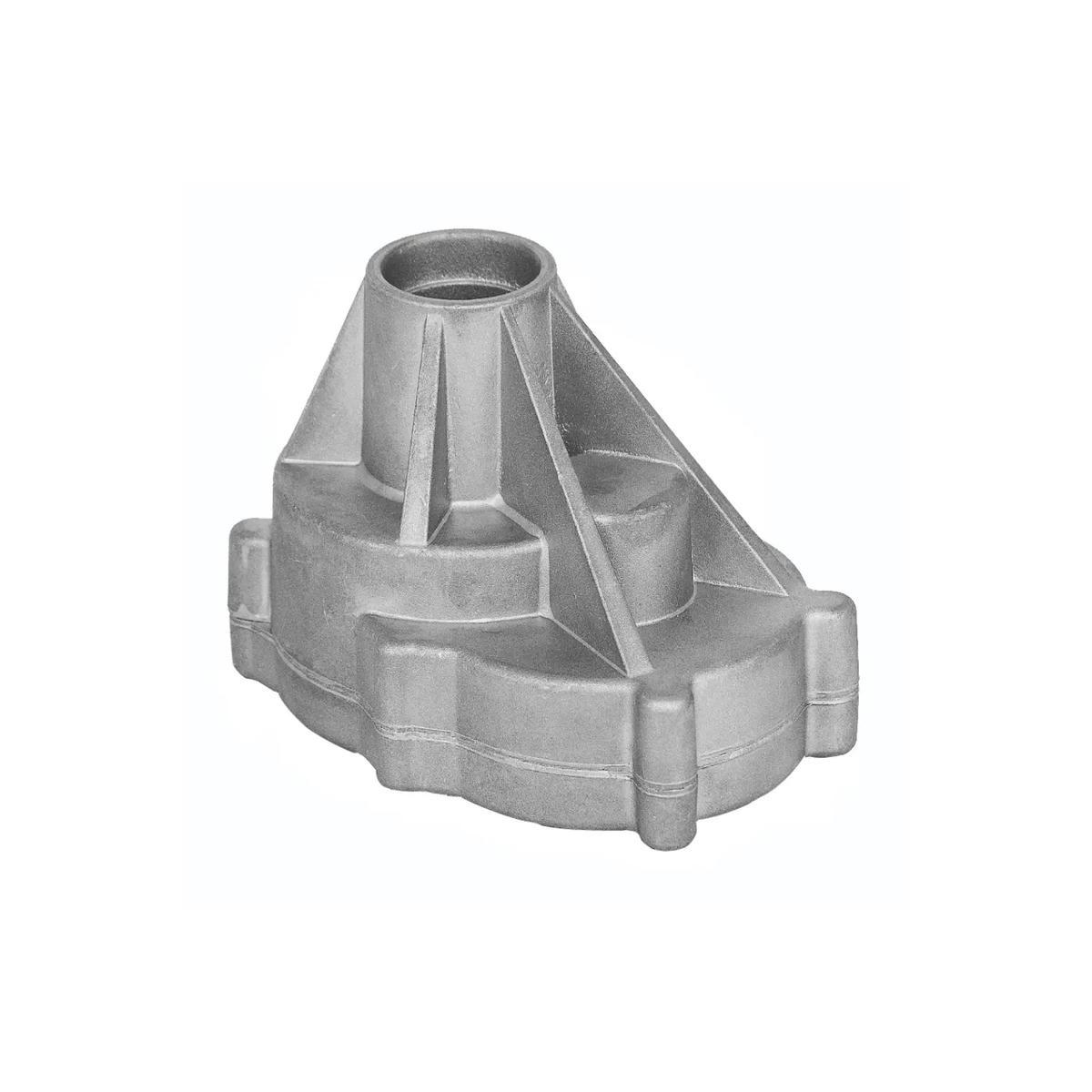
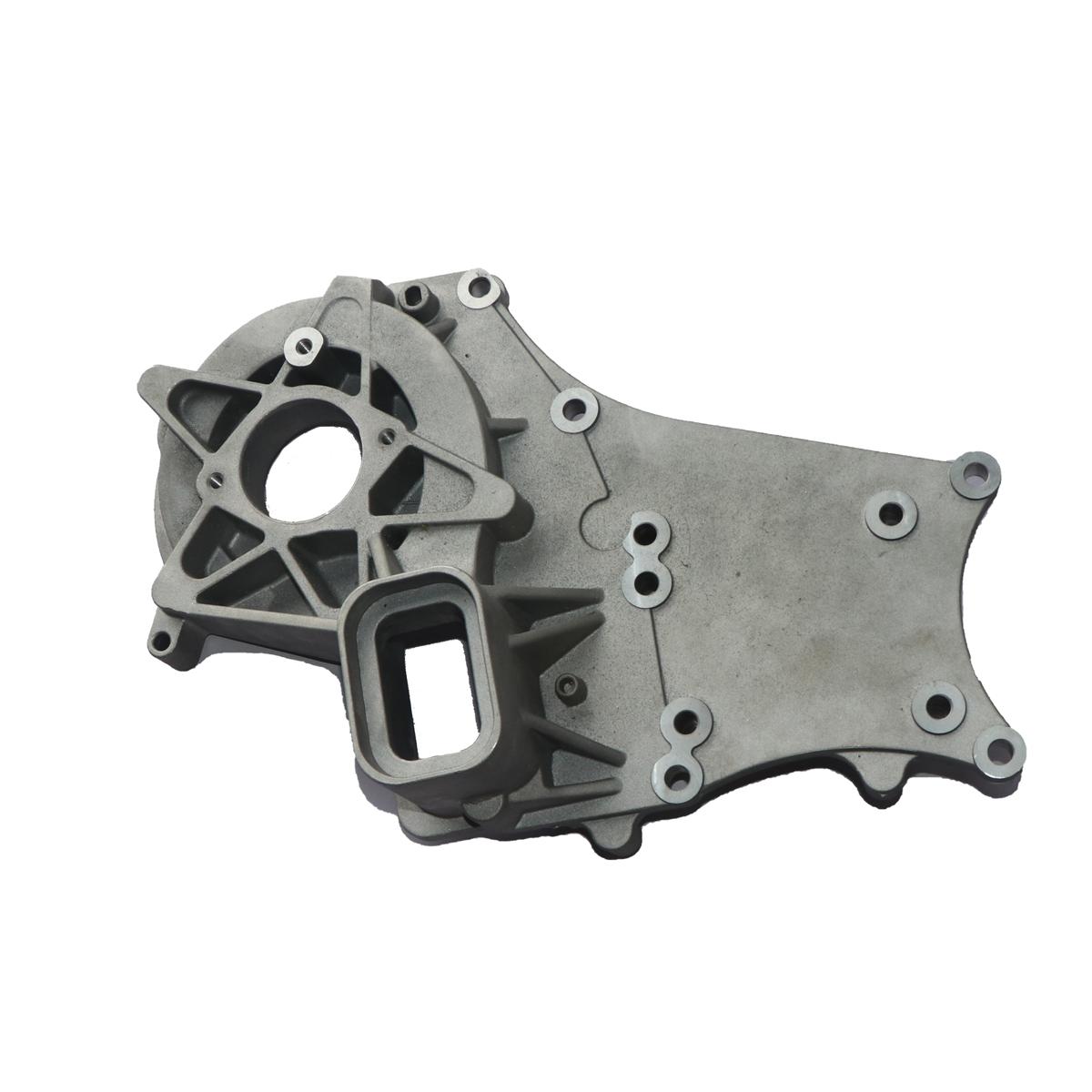
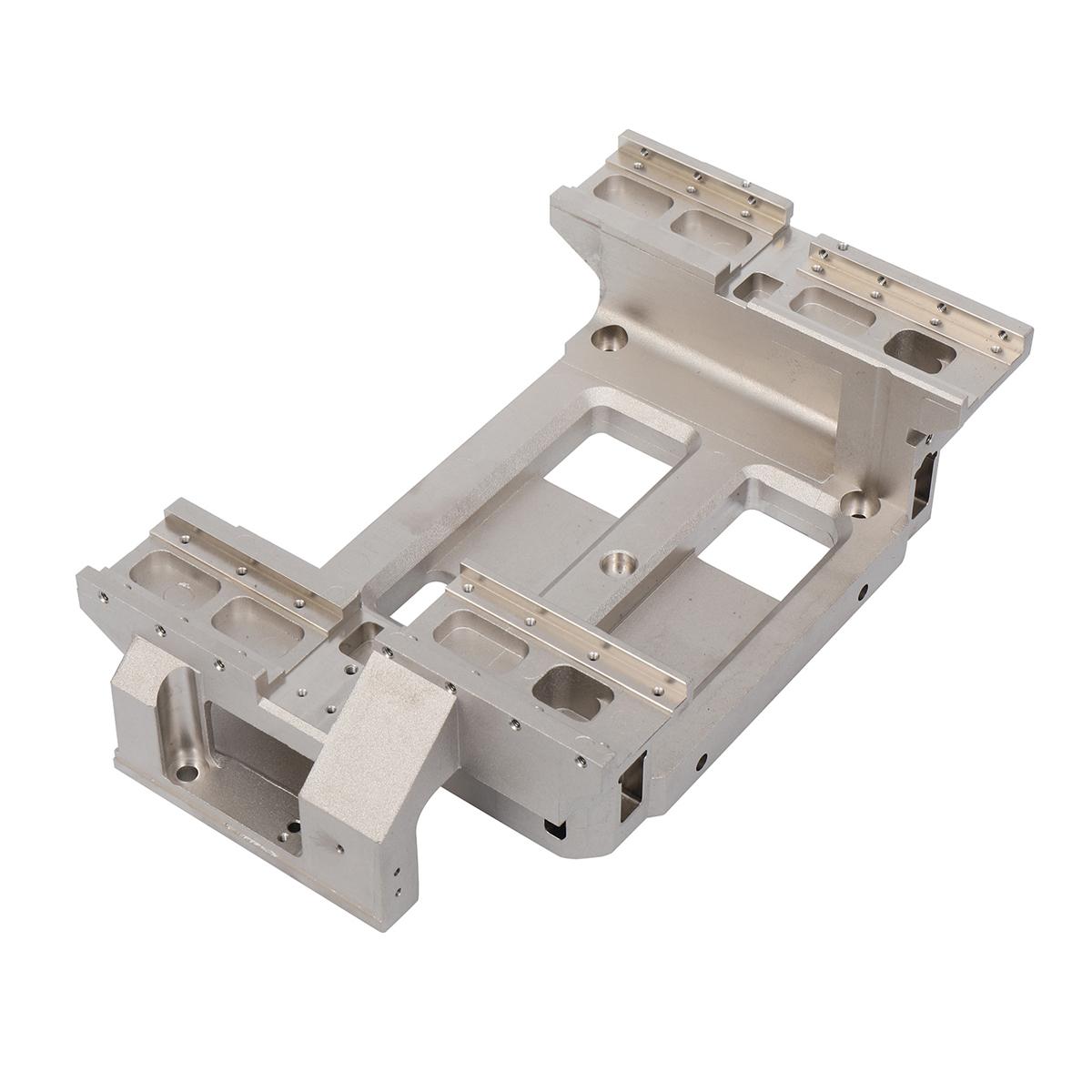
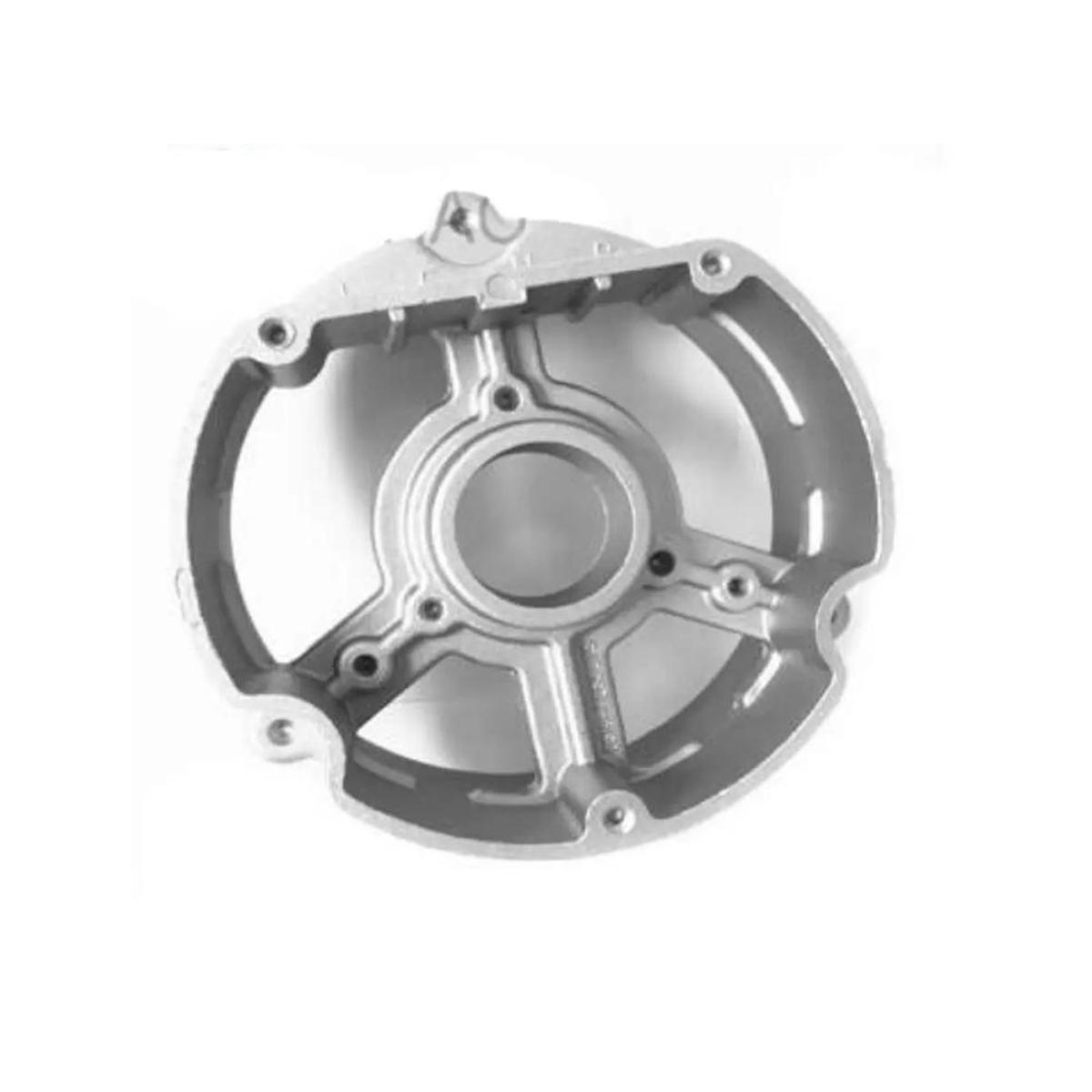
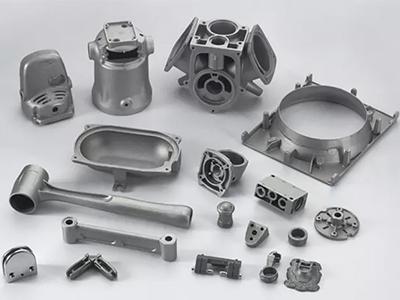
Die casting is a highly efficient metal casting manufacturing process that forces molten metal under high pressure into reusable steel mold cavities, known as dies. This precision manufacturing technique utilizes two hardened tool steel dies that have been precision-machined into the desired shape, functioning similarly to injection molding but for metals. The die casting process is ideal for producing large volumes of complex metal parts with exceptional dimensional consistency, tight tolerances, and superior surface quality. Commonly used materials include aluminum, zinc, magnesium, and copper alloys, making it a versatile solution for various industries requiring high-performance metal components.
Key Advantages
- High precision and dimensional accuracy with tolerances as tight as ±0.001 inches
- Excellent surface finish requiring minimal post-processing or machining
- High production rates enabling cost-effective mass manufacturing
- Superior mechanical properties and material strength
- Complex geometries and thin walls achievable in single operation
- Consistent part quality with minimal variation between production runs
- Reduced material waste compared to other manufacturing methods
- Ability to incorporate inserts, threads, and other features during casting
Common Applications
- Automotive engine blocks, transmission cases, and powertrain components
- Aerospace components including aircraft engine parts and structural elements
- Electronics housings, heat sinks, and consumer electronic enclosures
- Industrial machinery components and equipment housings
- Medical device housings and precision instrument parts
- Lighting fixtures and architectural hardware
- Power tools and hand tool components
- Plumbing fixtures and hardware components
Process Video
Process Images