Parts Manufacturing Processes
Comprehensive guide to modern manufacturing methods, from traditional casting to advanced additive manufacturing techniques.
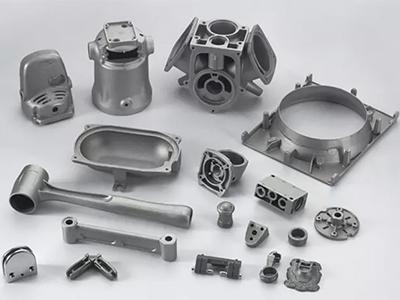
A metal casting process that forces molten metal under high pressure into mold cavities. The process uses two hardened tool steel dies which have been machined into shape and work similarly to an injection mold during the process.
Key Advantages
- High precision and dimensional accuracy
- Excellent surface finish
- High production rates
Common Applications
- Automotive engine blocks
- Aerospace components
- Electronics housings
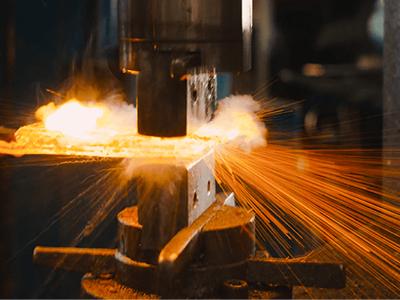
A manufacturing process involving the shaping of metal using localized compressive forces. The blows are delivered with a hammer or a die. Forging is often classified according to the temperature at which it is performed.
Key Advantages
- Superior mechanical properties
- Improved grain structure
- High strength-to-weight ratio
Common Applications
- Automotive crankshafts
- Aircraft landing gear
- Hand tools
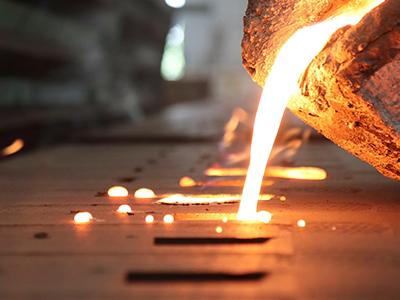
A metal casting process characterized by using sand as the mold material. The term 'sand casting' can also refer to an object produced via the sand casting process. Sand castings are produced in specialized factories called foundries.
Key Advantages
- Low tooling costs
- Suitable for complex shapes
- Wide range of sizes
Common Applications
- Engine blocks
- Machine tool bases
- Pump housings
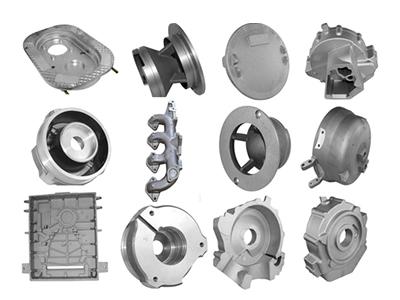
A casting process that uses gravity to fill a permanent, reusable mold with molten metal. Also known as permanent mold casting, this process produces parts with better dimensional accuracy and surface finish compared to sand casting.
Key Advantages
- Better surface finish than sand casting
- Improved dimensional accuracy
- Reusable molds
Common Applications
- Automotive pistons
- Cylinder heads
- Valve components
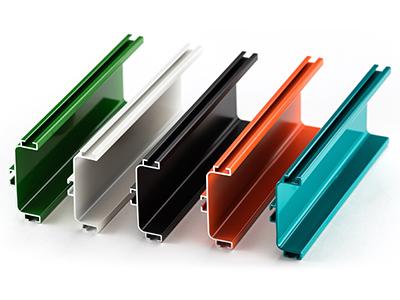
A process by which aluminum alloy material is forced through a die with a specific cross-sectional profile. The force applied creates the desired shape as the material emerges from the die opening.
Key Advantages
- Complex cross-sections possible
- Excellent surface finish
- High strength-to-weight ratio
Common Applications
- Architectural frames
- Automotive structures
- Aerospace components
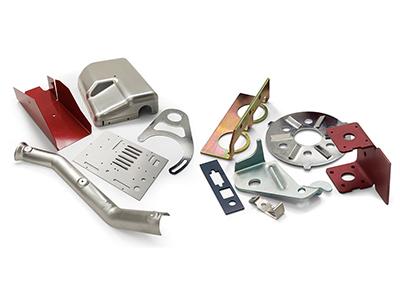
A cold-forming process that uses dies and stamping presses to convert sheet metal into net shape. The process can include punching, blanking, embossing, bending, flanging, and coining operations.
Key Advantages
- High production rates
- Excellent repeatability
- Complex shapes in single operation
Common Applications
- Automotive body panels
- Electronic enclosures
- Appliance components
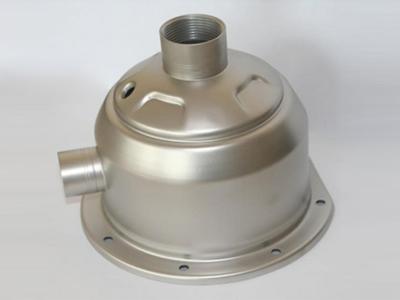
A sheet metal forming process used industrially to produce cup-shaped, box-shaped, and other complex-curved hollow-shaped sheet parts. The depth of the drawn part exceeds its diameter.
Key Advantages
- Seamless hollow parts
- High strength components
- Excellent surface finish
Common Applications
- Automotive fuel tanks
- Kitchen sinks
- Cookware
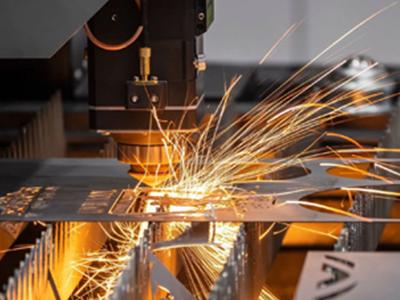
A comprehensive manufacturing process that involves cutting, bending, welding, and assembling metal sheets to create finished products. It encompasses various techniques to transform flat metal sheets into complex structures.
Key Advantages
- Design flexibility
- Wide material variety
- Cost-effective prototyping
Common Applications
- HVAC ductwork
- Electronic enclosures
- Architectural panels
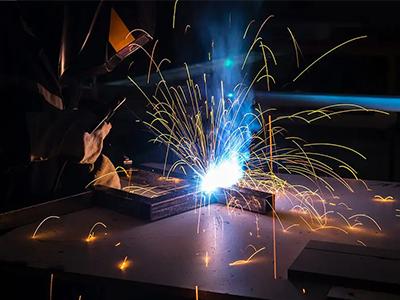
A fabrication process that joins materials by using high heat to melt the parts together and allowing them to cool, causing fusion. Fabrication encompasses the entire process of constructing products by cutting, bending, and assembling components.
Key Advantages
- Strong permanent joints
- Versatile material compatibility
- Cost-effective joining
Common Applications
- Structural steel construction
- Automotive chassis
- Shipbuilding
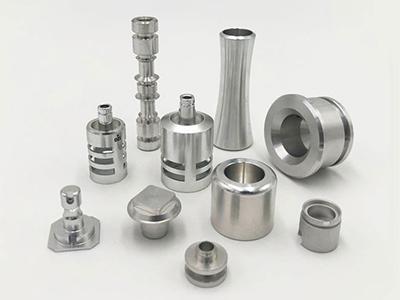
A subtractive manufacturing process that utilizes computerized controls and machine tools to remove layers of material from a stock piece to create custom-designed parts and products with high precision.
Key Advantages
- Extremely high precision
- Excellent repeatability
- Complex geometries
Common Applications
- Aerospace components
- Medical devices
- Automotive parts
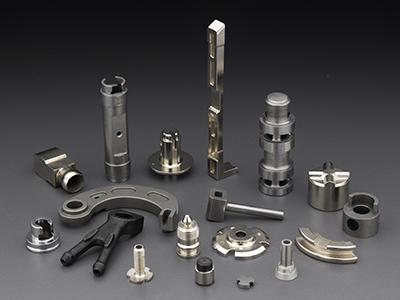
A manufacturing process that combines the design flexibility of plastic injection molding with the strength and integrity of wrought metals. It uses fine metal powders mixed with a binder system to create complex parts.
Key Advantages
- Complex geometries
- High precision
- Near-wrought properties
Common Applications
- Medical instruments
- Automotive sensors
- Firearms components
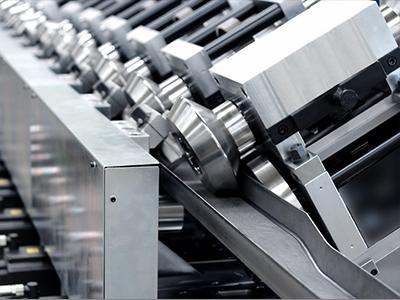
A continuous metal forming process that converts sheet metal into engineered shapes using consecutive sets of mated rolls. The process gradually bends a strip of metal into a desired profile.
Key Advantages
- High speed production
- Cost-effective for long runs
- Complex profiles possible
Common Applications
- Roofing panels
- Structural framing
- Automotive components
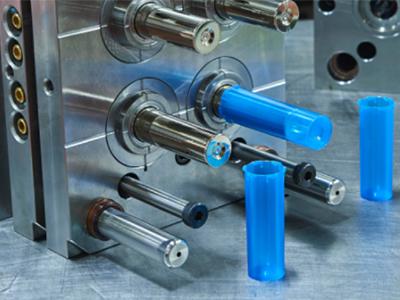
A manufacturing process that produces plastic parts by injecting molten plastic material into a mold cavity. It's one of the most widely used manufacturing processes for producing plastic components in high volumes.
Key Advantages
- High volume production
- Complex geometries
- Tight tolerances
Common Applications
- Automotive interiors
- Electronic housings
- Medical devices
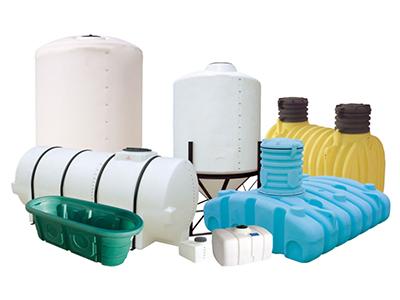
A specialized plastic manufacturing method for creating large, hollow, seamless components. The process involves heating and rotating a mold filled with plastic resin powder so it melts and uniformly coats the interior surface.
Key Advantages
- Large hollow parts
- Seamless construction
- Design flexibility
Common Applications
- Storage tanks
- Playground equipment
- Automotive fuel tanks