Welding Tolerance Calculator
Based on ISO 13920 general tolerances for welded constructions
The following diagrams shows how Straightness & Flatness & Parallelism & angle are measured.
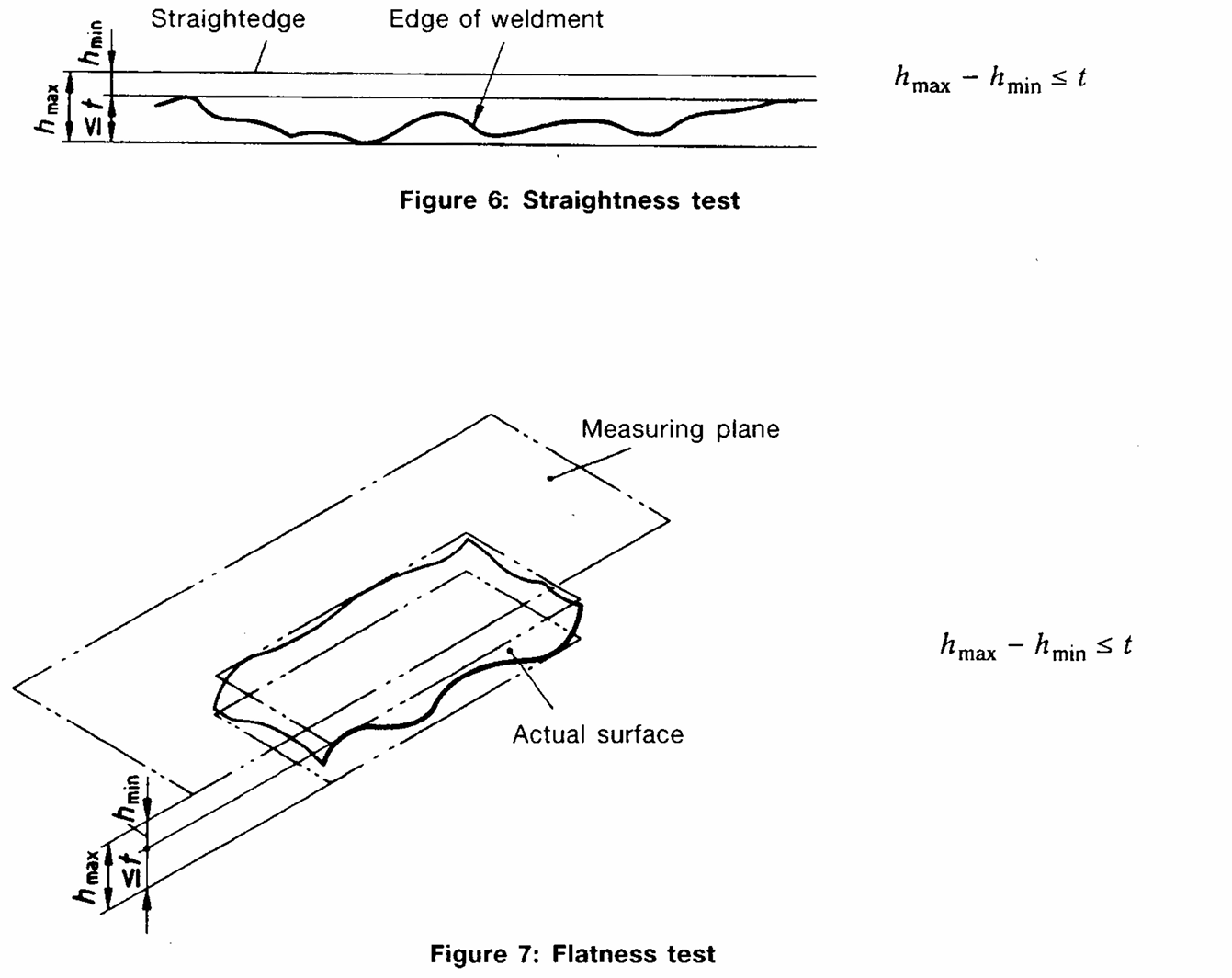
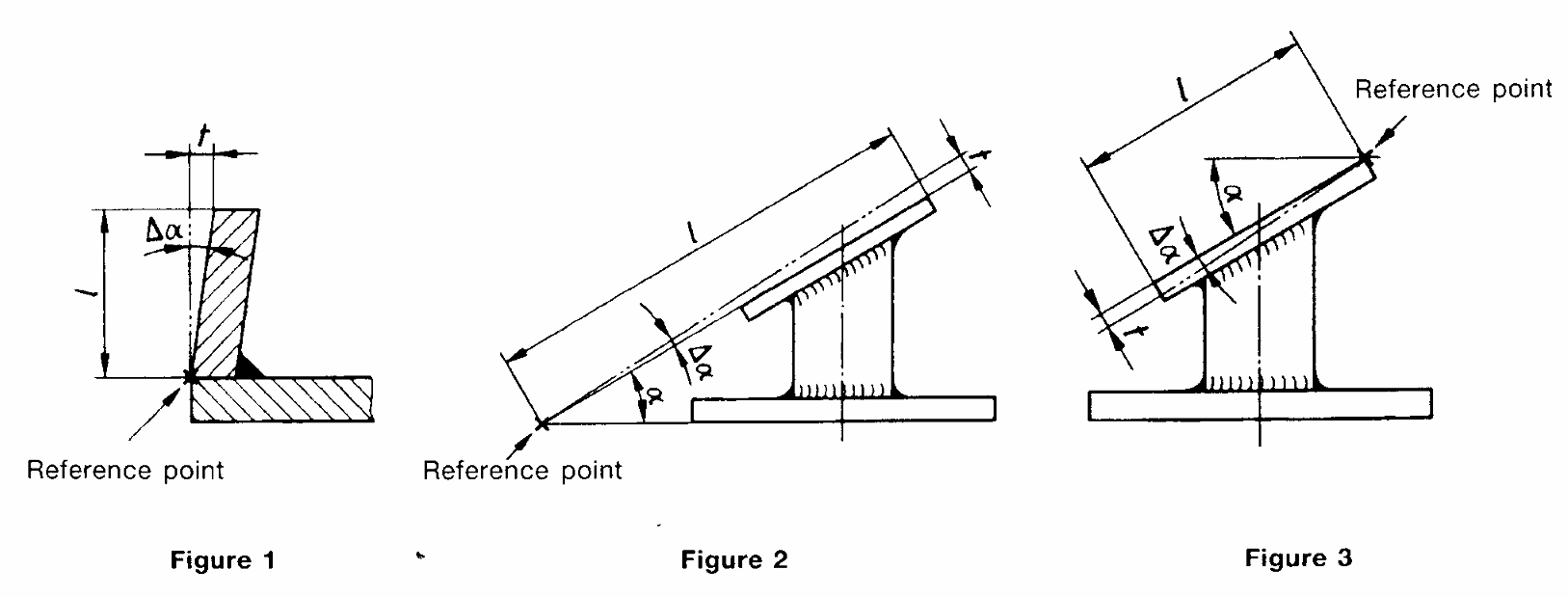
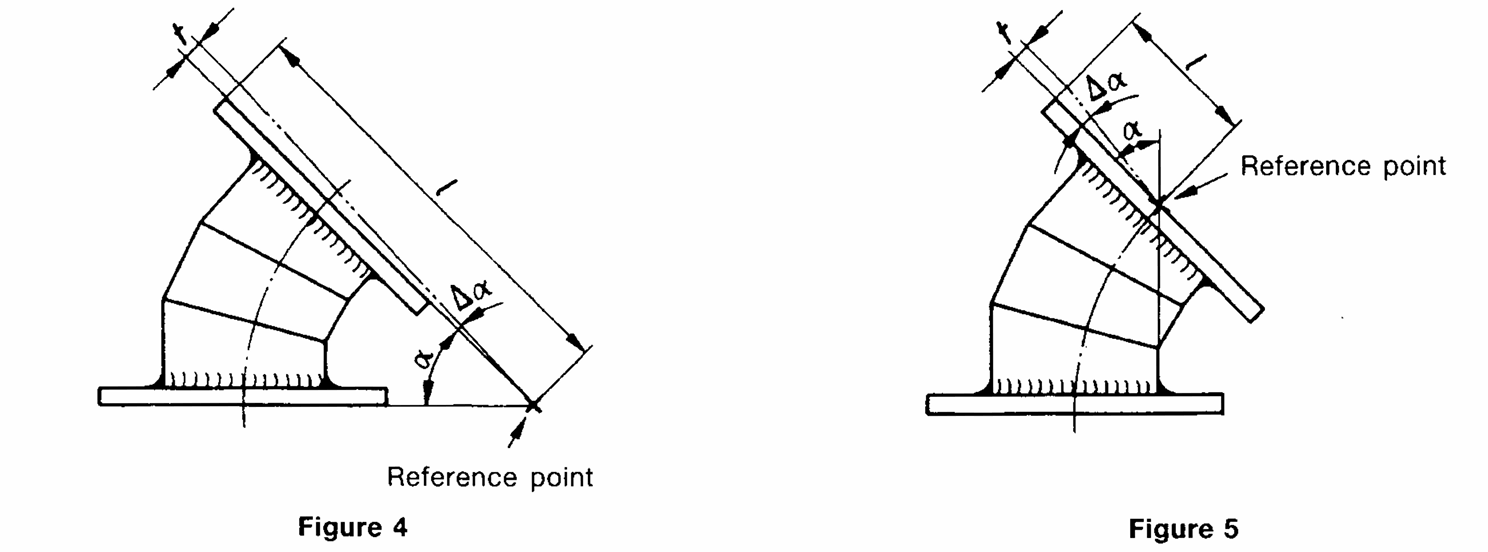
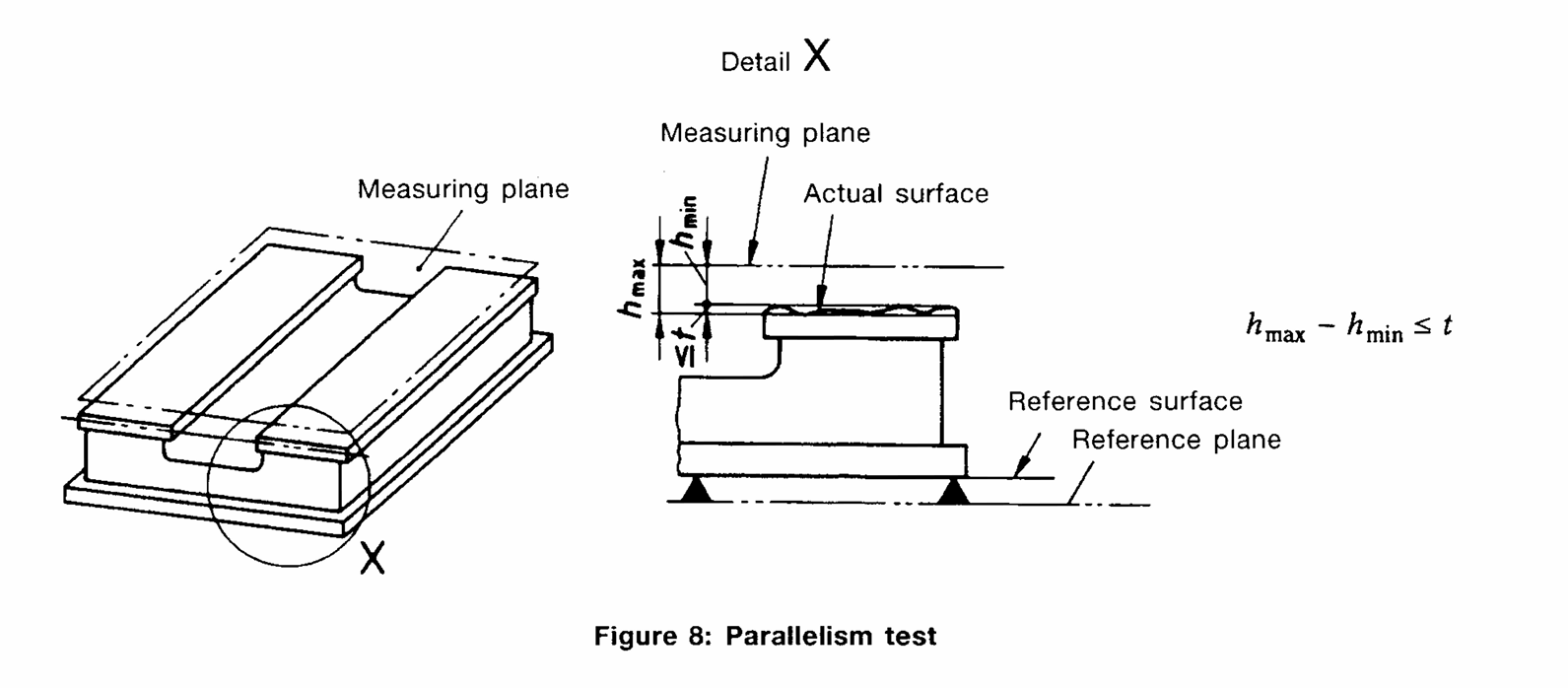
Welding is a fabrication process that joins materials, typically metals or thermoplastics, by using high heat to melt the parts together and allowing them to cool, causing fusion. This essential manufacturing technique is widely used in construction, automotive manufacturing, shipbuilding, aerospace, and industrial fabrication for creating strong, permanent joints between metal components. Welding processes include arc welding, MIG (Metal Inert Gas) welding, TIG (Tungsten Inert Gas) welding, and resistance welding, each with specific applications and tolerance requirements. Understanding welding tolerances is crucial for design engineers, fabricators, and quality control professionals, as it directly impacts structural integrity, dimensional accuracy, assembly fit, and compliance with international standards such as ISO 13920. Our welding tolerance calculator, based on ISO 13920 general tolerances for welded constructions, helps you determine achievable tolerances for linear dimensions, angular dimensions, and straightness & flatness across different precision classes (A, B, C, D), ensuring your welded assemblies meet design specifications and quality standards.